All Articles
Guides and opinion on dedicated servers, networking and running infrastructure, from the people who run ours.
Game Server Hosting on Bare Metal: Why Dedicated Hardware Wins
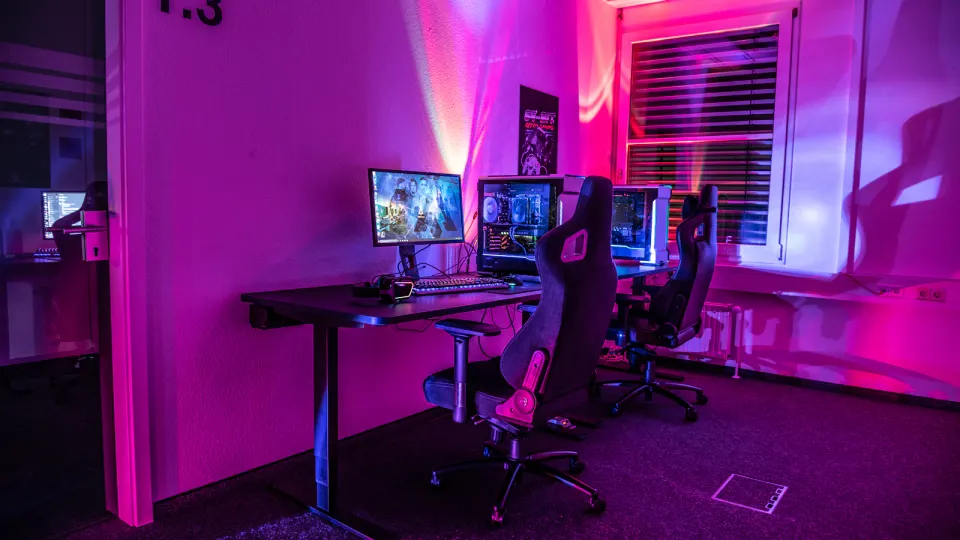
A game server is a single-threaded simulation loop on a fixed clock, so it lives or dies on per-core speed and steady timing, not core count. A shared VPS puts a hypervisor's scheduler between that loop and the CPU, and the jitter shows up as missed ticks. Bare metal removes the layer. This pillar covers bare metal against a VPS and managed game panels, why clocks beat cores, real RAM figures for Minecraft, Rust, ARK, Palworld, Valheim and CS2, storage and DDoS reality, running Pterodactyl or its Pelican fork yourself, and the honest cases where a VPS is still the right call.
Game Servers
Read more
Why Latency Matters for Game Servers and Player Experience
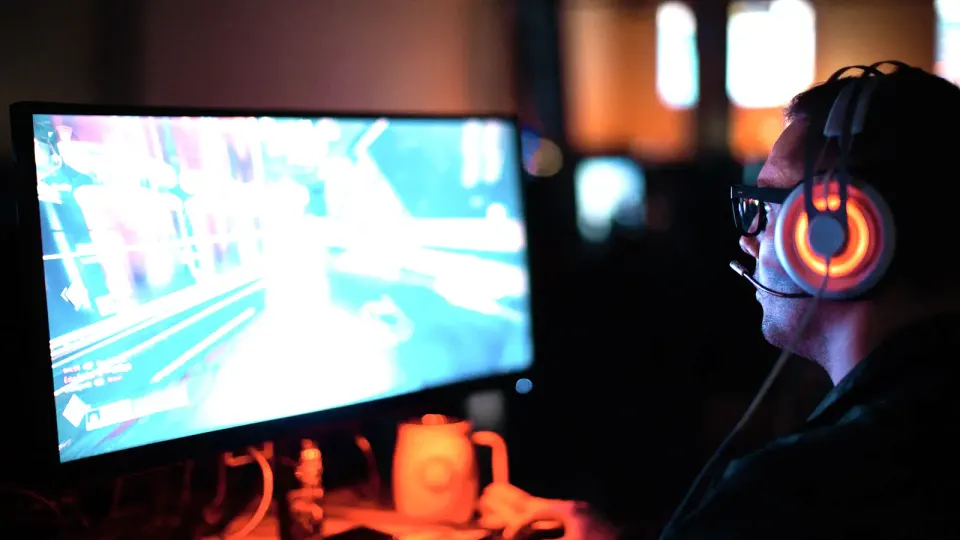
Ping is only part of what a player feels. A single round trip runs through input sampling, the last mile, transit and peering, a queue on the server, and the wait for the next simulation tick before the world reacts at all. This guide breaks down where felt delay actually comes from, how tick rate and netcode change the picture, why jitter and packet loss hurt more than a stable higher ping, and the one lever a host controls most: putting the server close to players on hardware that holds its tick rate.
Game Servers
Read more

Game Server Performance: Bare Metal vs Virtual Machines
Bare metal wins on the two numbers that decide whether a game server feels good: worst-case tick time and worst-case latency. A single-tenant VM on hardware you control gets close. An oversold multi-tenant VPS is where fixed-tick simulation falls apart, because a vCPU scheduled a few milliseconds late is a missed tick every player sees as rubber-banding. This guide covers what a hypervisor adds to a tick loop, why the 95th-percentile tick time matters more than average throughput, how to measure steal time and MSPT on your own server, and when a VM is still the right call.
Game Servers
Read more
How to Host a Minecraft Server on a Linux VPS or Dedicated Server
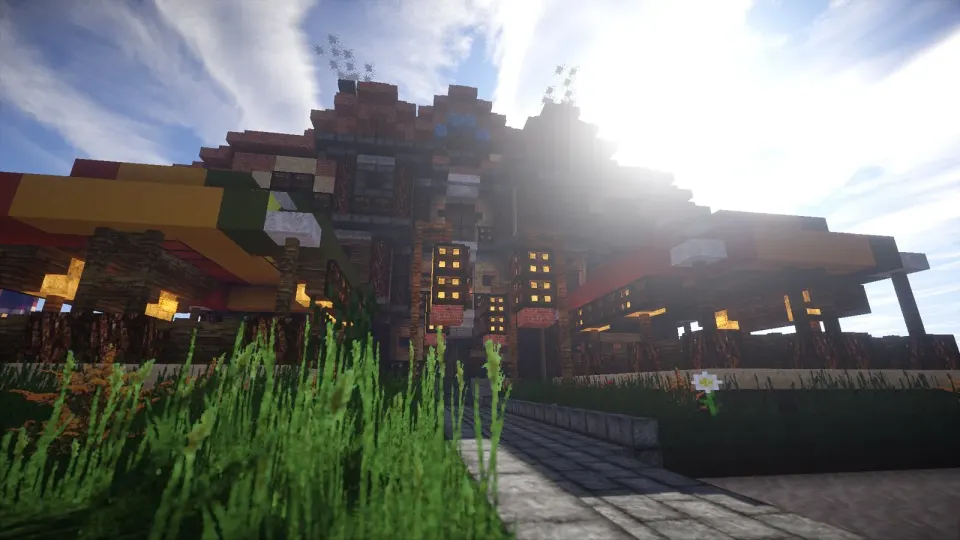
Hosting your own Minecraft server means the world your friends play in runs on hardware you control: no slot caps, no plugin restrictions, no per-player pricing. On a Linux VPS or dedicated server the path runs from sizing the machine and choosing between vanilla, Paper, Fabric and NeoForge to installing Java 25 and writing a systemd unit that survives reboots. After that come JVM sizing with Aikar's flags, the firewall rule and SRV record that let players in, whitelisting, backups, safe updating, and Bedrock crossplay through Geyser and Floodgate.
Game Servers
Read more

How to Host a Palworld Dedicated Server on Linux
A Palworld dedicated server holds up to 32 players in one persistent world, against four in a co-op session, and the world keeps running when the host logs off. Pocketpair ships the server for Linux as a free SteamCMD download, and since version 1.0 left early access on 10 July 2026 its documentation has changed in ways older guides miss: the multithreading flags every tutorial copies are no longer recommended, and RCON is deprecated in favour of a REST API. On Ubuntu or Debian the setup runs from Pocketpair's own hardware requirements through the install, PalWorldSettings.ini and a systemd unit that saves the world before it stops, to the one port players need, crossplay for Xbox and PS5, backups and updates. Server-side mods are the one thing a Linux server cannot run.
Game Servers
Read more

How to Host a Valheim Dedicated Server on Linux
A Valheim dedicated server keeps your world online when the friend who hosts it logs off, and it holds the game's full ten players without one of them carrying the whole simulation on a gaming PC. Iron Gate ships the server as a free SteamCMD download with a native Linux build. Valheim left early access with version 1.0 on 9 September 2026, and the release changed the save format: a world is now a folder of chunks instead of a .db and .fwl pair. On Ubuntu or Debian the server needs SteamCMD, three libraries, a systemd unit that stops it with SIGINT so it saves, and either three open UDP ports or Iron Gate's crossplay relay. Admin and ban lists, off-machine backups and BepInEx mods complete the setup.
Game Servers
Read more
 Canadian and
 Dutch